Giethoorn Village History & Key Facts
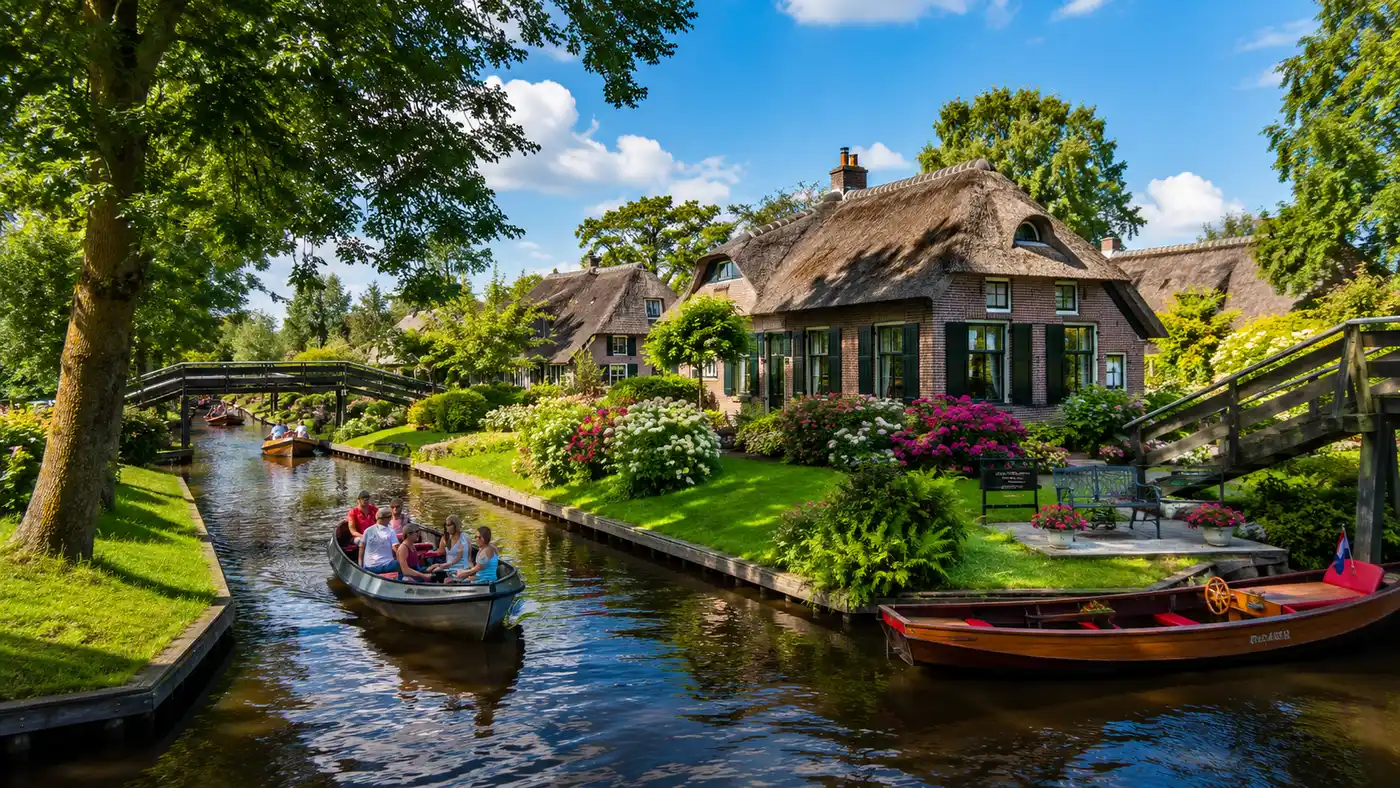
Stepping into Giethoorn feels like traveling back in time, honestly. This Dutch village, often called the "Venice of the North," is a place where waterways replace roads, and boats are the primary mode of transport. Its unique charm isn't just a modern marketing gimmick; it's deeply rooted in the fascinating giethoorn village history, a story shaped by peat, water, and resilient communities. Understanding how this place came to be really enhances the experience of visiting it. We're going to dive into the origins of Giethoorn, exploring how its distinctive landscape formed and how people adapted to life here over centuries. You'll learn about the everyday realities of living in a roadless village, where it actually sits on the map, and even how to say its name right. We'll also touch on its current status as a popular tourist destination, balancing preservation with visitor appeal.The Deep Roots of Giethoorn Village History: Peat and Punts
The story of Giethoorn starts much earlier than you might guess, maybe around the 13th century. It all began with a group of Franciscan monks who settled here. They found a wild, marshy land, perfect for one specific activity: peat digging. Peat, essentially decomposed plant matter, was a crucial fuel source for centuries, especially in areas like the Netherlands. These early inhabitants started systematically extracting it. They dug long, narrow trenches to get at the peat layers. They'd cut out blocks, dry them, and then transport them away. Over time, these trenches filled with water, creating the intricate network of canals and lakes we see today. The land between these trenches became the small islands where houses were built. It was a completely organic process, driven by necessity and hard work, shaping the very landscape. The name Giethoorn itself, I’ve heard, comes from the discovery of many goat horns after a severe flood in 1170. "Giet" means goat, and "hoorn" means horn. It’s a bit of a legend, but it makes for a good story.Pro tip: To truly appreciate Giethoorn's past, consider renting a whisper boat early in the morning. Gliding silently through the canals before the crowds arrive gives you a real sense of what daily life might have been like for the original inhabitants.
Book your village giethoorn experience:
Life in a Roadless Village: Giethoorn Village Rules and Culture
Life in Giethoorn has always revolved around water. For centuries, the only way to get around was by boat, usually a flat-bottomed punt called a 'punters'. Villagers used these boats to go to market, visit neighbors, or transport goods. Bridges connected the small islands, but these were mostly for walking, not for carts or cars. This unique isolation helped preserve a distinct way of life, one that valued quiet, community, and a deep connection to the natural environment. Even today, with tourism booming, the core of Giethoorn remains remarkably tranquil. There are some unwritten, and a few written, giethoorn village rules that help maintain this calm. Visitors are generally expected to respect the peace, especially when navigating the canals. Speeding is a definite no-no, and loud noises are discouraged. It's not a theme park; it's a living village. The Giethoorn: The Village Without Roads article goes into more detail about how this unique transportation system works day-to-day. Here are a few things to keep in mind when you visit:- Boat etiquette: Always give way to smaller boats or those navigating tight turns. It's like driving, but on water.
- Respect private property: Many houses are right on the canals. Don't trespass or peek into windows.
- Silence is golden: Keep your voice down, especially when passing residential areas. The quiet is part of the charm.
- Waste disposal: Use bins provided. The village prides itself on its cleanliness.
Where is Giethoorn? Giethoorn Village is in Which Province?
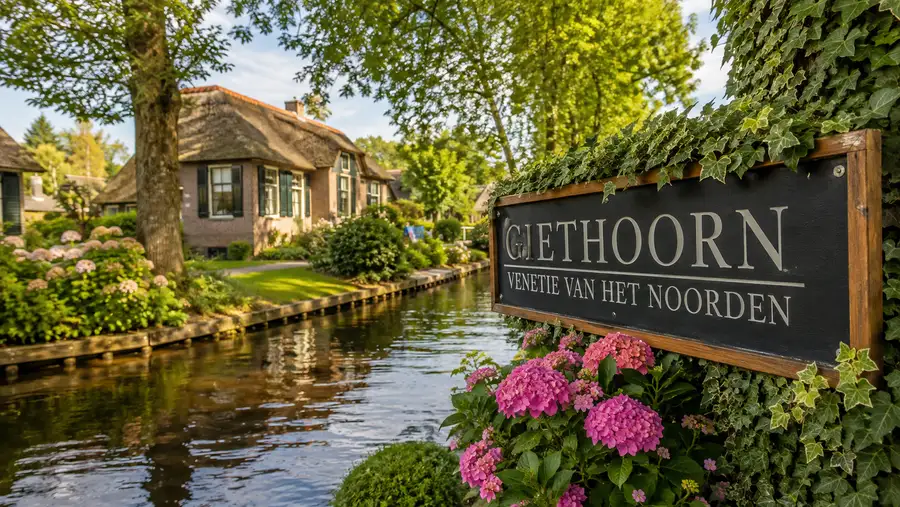
Giethoorn is not some mythical place, tucked away in an unknown corner of the Netherlands. It's a real, living village, located in the province of Overijssel. This province sits in the eastern part of the Netherlands, bordering Germany. If you're coming from Amsterdam, it's about a 90-minute to two-hour drive, depending on traffic. It's definitely doable as a day trip, though staying a night lets you experience the quiet evenings. The village is actually part of the municipality of Steenwijkerland, which is a broader administrative area. When people ask "giethoorn village is in which province?" they're usually trying to get a sense of its geographical location relative to major cities. It's not right on the coast, nor is it in the heavily urbanized Randstad area. It's in the heart of a beautiful, green, and watery landscape, part of the Weerribben-Wieden National Park. This park is the largest fen wetland in Northwestern Europe, a truly unique ecosystem.Note: While many tourists arrive by car, parking is typically located on the outskirts of the village. You'll need to walk or take a small electric boat from there, as cars are not allowed inside the main canal areas.
Book your village giethoorn experience:
Saying it Right: Giethoorn Village Pronunciation
One of the first things many visitors wonder is "how do you even say that?" The giethoorn village pronunciation can be a bit tricky for non-Dutch speakers, but it's not impossible. Let's break it down: * **Giet:** This part is pronounced a bit like the "heet" in "sheet," but with a hard 'g' sound at the beginning, similar to the 'ch' in Scottish "loch" or German "Bach." It's a guttural sound from the back of the throat. So, it's 'ghee-t'. * **hoorn:** This is easier. It's pronounced like the English word "horn." So, you put it together: 'Ghee-t-horn'. Don't worry too much about perfection; locals appreciate the effort. I remember trying to say it the first time and probably sounding ridiculous, but everyone was very friendly about it.Giethoorn Through the Ages: Key Historical Milestones
The development of Giethoorn wasn't a single event, but a gradual evolution. From its early days as a peat-digging settlement to its current status, it has adapted and changed, while still holding onto its core identity.| Year/Period | Event/Significance |
|---|---|
| c. 1200 | First permanent settlements, likely by Franciscan monks and peat diggers. |
| 1170 (Legend) | Great flood reveals many goat horns, inspiring the village name. |
| 14th - 18th Century | Intensive peat digging shapes the landscape, creating the canal system. |
| 1930s | Becomes known nationally after the film "Fanfare" by Bert Haanstra is shot here. |
| 1958 | The film "Fanfare" is released, bringing international attention to Giethoorn. |
| 1973 | Integrated into the Weerribben-Wieden National Park, boosting conservation efforts. |
Modern Giethoorn: Tourism, Preservation, and the Future
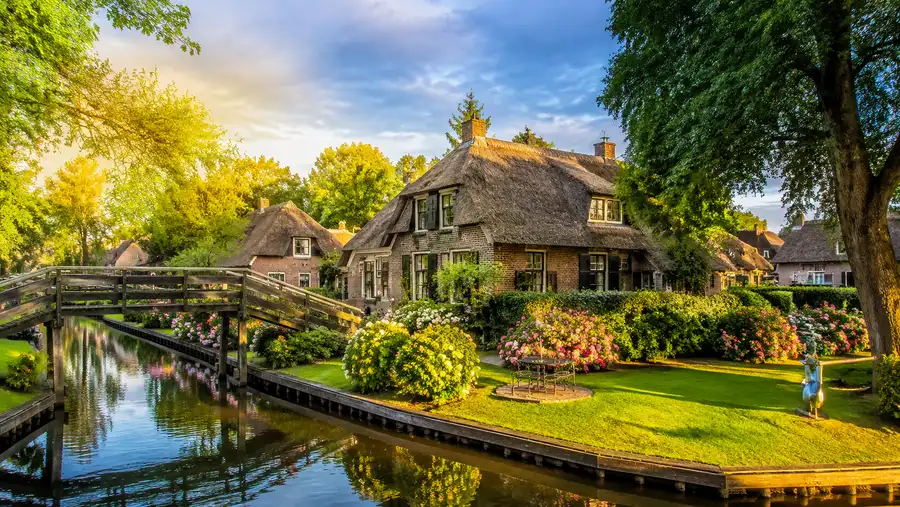
Today, Giethoorn is a major tourist draw, welcoming hundreds of thousands of visitors each year. This influx has brought both prosperity and challenges. Local businesses thrive on boat rentals, restaurants, and souvenir shops. If you're looking to explore the waterways, checking out Giethoorn Village Boat Rentals, Tours & Activities is a good idea. However, managing the crowds while preserving the serene atmosphere and the delicate ecosystem is a constant balancing act. Efforts are made to encourage sustainable tourism, promoting electric boats over noisy petrol engines, and educating visitors about respecting the local environment. The giethoorn village population still lives here, and their daily lives continue amidst the tourist bustle. It's a testament to their resilience and perhaps a bit of Dutch pragmatism that they manage to make it all work. The future of Giethoorn will likely involve finding new ways to share its beauty with the world without losing the very essence that makes it special.Frequently Asked Questions about Giethoorn Village History
How old is Giethoorn Village?
Giethoorn village was settled around the 13th century, making it over 800 years old. Its unique canal system developed gradually from peat digging starting around that time.
What are the main rules for visitors in Giethoorn?
Visitors are encouraged to respect the quiet atmosphere, keep voices down, avoid littering, and operate boats responsibly. It's a residential area, so privacy is valued.
Which province is Giethoorn located in?
Giethoorn is situated in the province of Overijssel, in the eastern part of the Netherlands. It's part of the Steenwijkerland municipality.
How do you pronounce Giethoorn?
The pronunciation is roughly "Ghee-t-horn." The "Giet" part has a guttural 'g' sound, similar to the 'ch' in "loch," followed by "horn" as in the English word.
What is the current Giethoorn village population?
The population of Giethoorn itself is quite small, typically around 2,600 to 2,800 residents. It's a close-knit community.
Quick Reference
- Founded: c. 13th century
- Location: Overijssel province, Netherlands
- Origin: Peat digging created canals
- Pronunciation: Ghee-t-horn
- Main transport: Boats (punters)
Book your village giethoorn experience:
My Take: A Village Frozen in Time
Giethoorn is more than just a pretty picture; it's a living testament to human ingenuity and adaptation. Its history, shaped by the very landscape its people created, is truly remarkable. When you visit, try to look beyond the immediate beauty and consider the centuries of life that have unfolded on those small islands. It's a place that asks you to slow down, listen to the whisper of the water, and maybe just for a moment, forget the modern world. Go explore it, honestly, you won't regret it.Read more about village giethoorn.