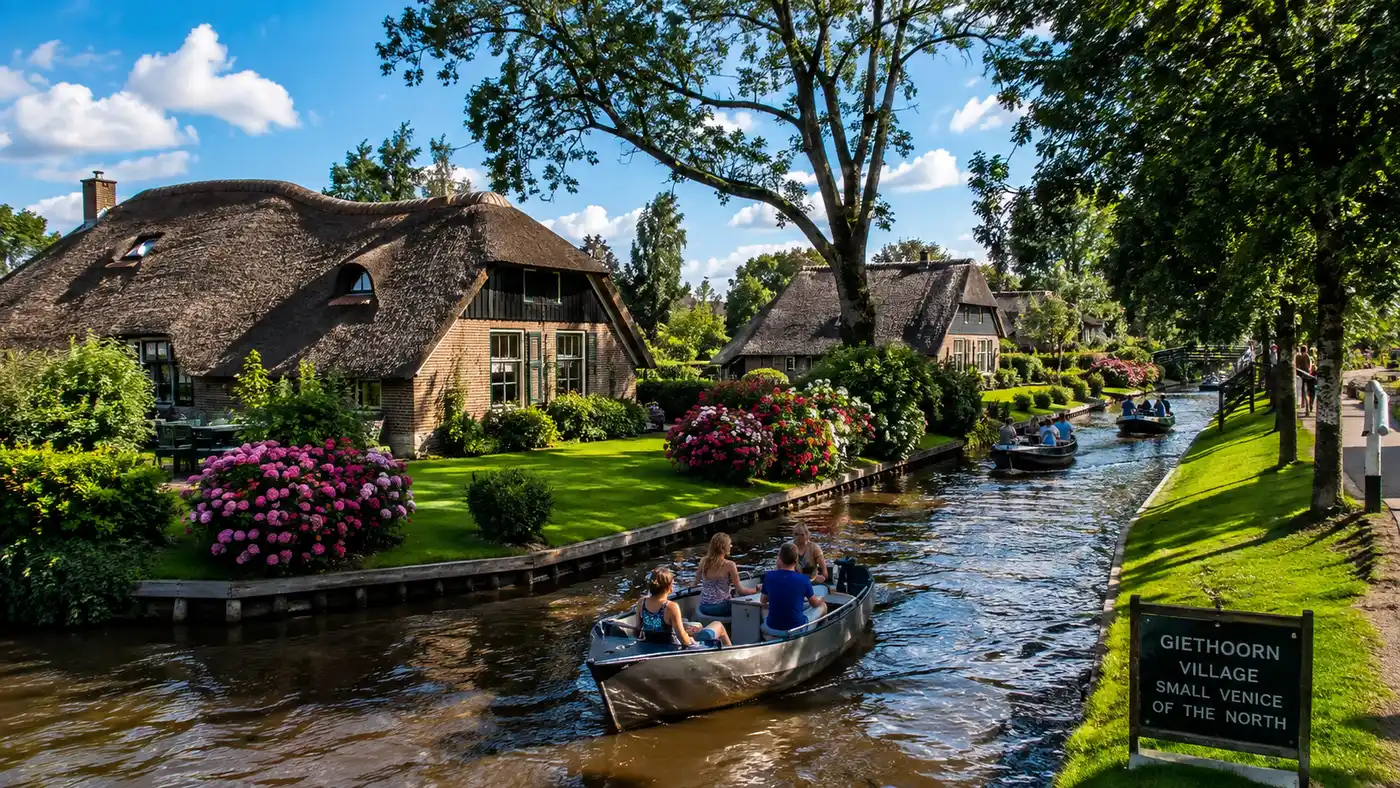
Cost of Living & Life in Giethoorn Village
Giethoorn, often called the "Venice of the North," draws countless visitors each year, mesmerized by its serene canals and charming thatched-roof houses. You see the pictures, you read the stories, and then you start to wonder. What does it actually cost to live here? We all imagine ourselves gliding along in a punter, but understanding the true giethoorn village in netherlands cost of living reveals a different, perhaps more complex, picture than the idyllic postcards suggest. This isn't just about tourist prices. We're going to dive deep into the practicalities of making a life in this unique Dutch village. Forget the day trip for a moment. We'll explore housing, daily expenses, how people get around, and what it really means to settle into the pace of life inside Giethoorn Village.Book your village giethoorn experience:
The Unique Rhythm of Life Inside Giethoorn Village
Imagine waking up to the sound of birds and the gentle lapping of water against your private jetty. That's the dream many associate with living in Giethoorn. It is undeniably beautiful. The village has no roads in its historic core, just waterways and narrow walking paths. This means your primary mode of transport, aside from your own two feet, will be an electric boat, or 'whisper boat' as they are known here. This lifestyle, free from the constant hum of cars, creates a profound sense of peace. You see neighbors waving from their boats, kids cycling across tiny wooden bridges, and the occasional duck waddling past your window. Life here feels a bit slower, a bit more connected to nature. It is a world away from the hustle of Amsterdam or Rotterdam. But this tranquility comes with its own set of considerations, especially when thinking about the giethoorn village netherlands cost of living. It's a special place, no doubt, but not without its quirks.Giethoorn Village Homes for Rent and Sale: The Housing Puzzle
Finding a place to live in Giethoorn can be a real challenge. The market for Giethoorn village homes for rent is incredibly tight, and honestly, quite expensive for the region. Many of the picturesque houses are family-owned for generations, or they've been bought up as holiday rentals, which further limits availability for long-term residents. When a property does come up, it's often snapped up quickly. Prices for a modest two-bedroom home might start around 350,000 to 450,000 Euros, easily climbing higher for larger or more centrally located houses with ample garden space and canal frontage. Renting a house, if you can even find one, could set you back anywhere from 850 to 1,200 Euros a month for a small place, sometimes more. This doesn't include utilities, which we'll get to. It's important to remember that these are not modern, cookie-cutter apartments. Many are traditional thatched-roof homes, requiring specific maintenance. For more detailed insights into the market, you might want to check out our article on Giethoorn Village Real Estate & Homes for Sale.Note: Be prepared for a lengthy search. It's not uncommon for potential residents to wait months, or even over a year, for a suitable home to become available. Networking with locals can sometimes reveal opportunities before they hit public listings.
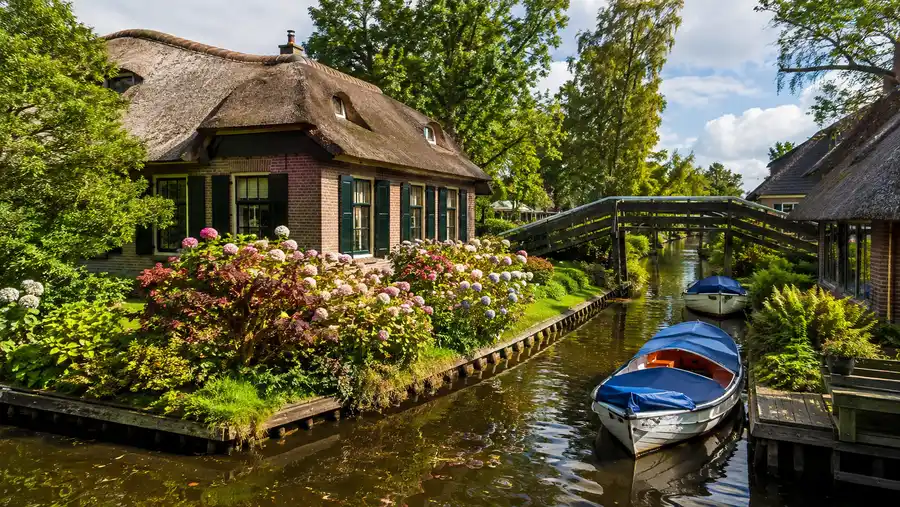
Navigating Daily Life: How to Live in Giethoorn Village
So, you've found a house, congratulations. Now, how do you actually live here day-to-day? The biggest adjustment, for most, is transportation. Your car will stay in a designated parking area outside the main village, or further out if you live deeper within the canal network. Your boat becomes your car. This means budgeting for its purchase or rental, maintenance, and electricity. An electric whisper boat might cost anywhere from 5,000 to 15,000 Euros to buy new, with used options being cheaper, of course. Charging costs are relatively low, maybe 15-25 Euros a month depending on usage. Groceries require a trip. While there are a few small shops for essentials, a proper supermarket run means heading to nearby Steenwijk, about 15 minutes by car from the village edge. This adds a layer of planning to your weekly errands. Utilities, like electricity, water, and heating, are comparable to other parts of the Netherlands, but heating a historic, less insulated home can sometimes push those bills higher. Expect to pay around 180-250 Euros monthly for basic utilities, and another 45-70 Euros for internet and mobile services.Pro tip: Invest in a good bicycle with sturdy panniers. Many residents use bikes to get from their homes to the car park or to quickly access the outer parts of the village for local services. It saves boat battery and is often faster for shorter trips on land.
Book your village giethoorn experience:
The Local Economy and Earning a Living
Most job opportunities directly within Giethoorn are tied to tourism. Think working at boat rental companies, restaurants, souvenir shops, or guesthouses. These roles can be seasonal, with peak demand during the warmer months and quieter periods in winter. If you're looking for professional work, you'll likely need to commute. Many residents of Giethoorn work in Steenwijk, Meppel, or even further afield in cities like Zwolle or Leeuwarden. This means factoring in commuting costs and time. A typical Dutch salary, depending on the profession, might range from 2,500 to 4,000 Euros gross per month. This helps cover the giethoorn village netherlands cost of living, but it requires balancing the peaceful village life with a possibly longer commute. It's a trade-off many are willing to make for the unique environment.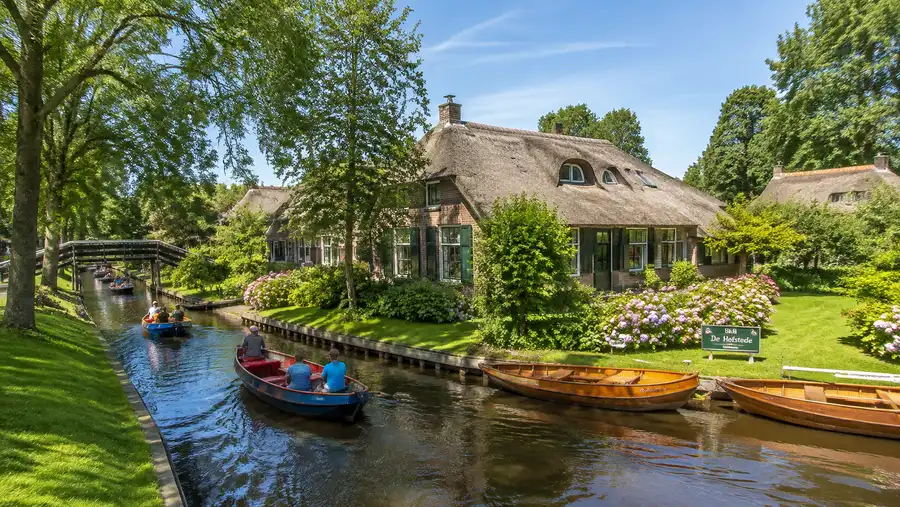
A Glimpse Inside the Homes of Giethoorn Village
The houses in Giethoorn are truly special. Many feature traditional Dutch architecture, with those iconic thatched roofs. Inside, you'll often find a blend of old-world charm and modern comfort. Expect exposed wooden beams, quaint windows looking out onto canals, and cozy living spaces. Some homes are quite small, designed for a single person or a couple, while others are larger family residences. Maintaining these houses requires specific attention. Thatched roofs need periodic repair, and properties directly on the water require seawall maintenance. These aren't typically DIY projects and can add to the overall cost of ownership. But honestly, there's something magical about living in a house that feels so deeply rooted in history and nature. It’s not just a house; it’s a piece of the village’s story. Here's a snapshot of some typical monthly expenses:| Category | Monthly Cost (Approx. EUR) | Notes |
|---|---|---|
| Rent (1-bed apartment/small house) | 850 - 1200 | Very limited availability, can be higher |
| Utilities (Electricity, Water, Heating) | 180 - 250 | Heating older homes can be more expensive |
| Internet & Mobile | 45 - 70 | Standard Dutch rates |
| Groceries (1 person) | 250 - 350 | Requires trips to Steenwijk for full selection |
| Boat Maintenance & Charging | 50 - 150 | Depends on boat type and usage |
| Health Insurance (mandatory) | 120 - 150 | Basic package for adults |
| Public Transport (commute) | 50 - 150 | If working outside Giethoorn |
Frequently Asked Questions about giethoorn village in netherlands cost of living
Can foreigners buy property in Giethoorn Village?
Yes, there are no restrictions on foreign ownership of property in the Netherlands. The challenge is finding available properties and navigating the local market, which can be competitive.
Is Giethoorn Village expensive for daily living compared to other Dutch villages?
It can be slightly more expensive, especially concerning housing due to its unique appeal and limited supply. Transportation costs also differ, as boat ownership and maintenance replace car-related expenses in the village core. Groceries are standard Dutch prices, but may involve travel.
What are the biggest hidden costs of living in Giethoorn?
Beyond the obvious, consider the cost and time involved in maintaining a historic house and a boat. Also, the reliance on external towns for major shopping, services, and diverse entertainment can add up in terms of travel time and occasional expenses.
Quick Reference
- Housing is scarce and pricey.
- Boats are primary transport.
- Groceries require trips to Steenwijk.
- Tourism drives local jobs.
- Quiet, nature-focused lifestyle.
Book your village giethoorn experience:
Is Life in Giethoorn Village Worth the Cost?
Honestly, the cost of living in Giethoorn Village isn't for everyone. It demands a particular mindset, a willingness to trade urban conveniences for unparalleled peace and a deep connection to a unique landscape. The financial outlay for housing can be significant, and daily life requires more planning than in a typical town. You'll spend more time on boat maintenance or planning grocery runs. But for those who embrace it, for the people who truly want to understand how to live in Giethoorn Village, the rewards are immense. Imagine the quiet evenings, the friendly community, the absolute beauty of your surroundings. It's an investment, not just of money, but of lifestyle. If you're seeking a slower pace, a life intertwined with canals and nature, and don't mind the practical adjustments, then yes, it just might be worth every penny.Read more about village giethoorn.